
Professional AC Maintenance & AC Tune-Ups in Salt Lake City
AC maintenance and tune-ups in Salt Lake City — checks, filter and coil care, and airflow checks that help cooling systems run reliably thro
Learn more →
Heating and cooling equipment in Salt Lake City works through two demanding seasons every year: hot, dry summers and cold winters with snow and valley inversions. A system that is checked and cleaned on a regular rhythm runs more steadily, uses energy more sensibly, and is less likely to fail on the hottest or coldest day of the year. This page covers whole-system maintenance — the combined care of the heating side and the cooling side, in spring and in fall — rather than the tune-up of one appliance alone.

A maintenance visit is organised by system, not by a single checklist, because a Salt Lake City home usually has more than one kind of equipment. The cooling system — the air conditioner — gets its own visit, and the heating system — the furnace — gets its own. A heat pump, which does both jobs, is checked in both seasons. Ductwork and the thermostat are checked with whichever visit they belong to, and each system has its own page on this site explaining exactly what its visit covers.
The point of splitting it this way is that each system fails differently. An air conditioner fails on airflow and refrigerant; a furnace fails on ignition and combustion; a heat pump fails on its reversing valve and defrost cycle. A whole-system visit still looks at all of them, but the work is planned per system and the findings are reported per system, so nothing is hidden inside a single generic checklist.
The rhythm is set by the seasons, not by the calendar alone: a cooling visit in spring and a heating visit in fall, with heat pumps checked in both because they work in both directions. A home that runs its system hard — long hours, high occupancy, or a dusty location — benefits from keeping that rhythm without skipping a season, because the parts that wear fastest are the ones the visits cover.
Filters sit on a shorter rhythm of their own. A filter in a dusty valley home, a home with pets, or a home that runs the fan constantly loads up faster than one in a lightly used system, and a clogged filter chokes airflow until the furnace overheats or the evaporator coil freezes. Checking the filter monthly through the heavy seasons and changing it when it is loaded is the homeowner's part of the schedule.
The year has two maintenance seasons, and each one points to a different page. Spring is the cooling season: before the first heat wave, the air conditioner is checked — the spring visit is described on the AC maintenance page. Fall is the heating season: before the first sustained cold, the furnace is checked — the fall visit is described on the furnace maintenance page. Heat pumps are checked in both, because they heat and cool, and the heat pump maintenance page explains what each of those visits covers.
Booking follows the same split. The spring visit is best arranged before summer demand arrives, and the fall visit before the first cold snap, so that a worn part found in either visit is still a planned repair rather than a breakdown in July or on a freezing night. The household's carbon monoxide detectors are worth testing when the fall visit happens.
A tune-up is scheduled care on a working system: inspection, cleaning and testing. A repair fixes a fault — a system that is not heating, not cooling, leaking or making unusual noises. The two meet when a tune-up finds a worn part: a capacitor that tests weak, a flame sensor coated in oxidation, a belt that has stretched. Finding it is maintenance; replacing it is a repair, and it is explained as one before it is done.
The distinction matters for expectations. A tune-up does not fix a system that has already failed, and it does not make a worn-out system new — it keeps a working system running reliably and catches the faults that are still small. A system that has stopped working needs a repair visit, not a tune-up.
The main factors are the number of systems and their condition. A home with a furnace and a separate air conditioner takes longer than a home with a single heat pump, and a ductless system with several indoor heads takes longer than a single central system. Equipment that has been neglected — coils caked with dust, a burner fouled with soot, a blower thick with dirt — takes longer to bring back to standard.
Access is the other factor. An outdoor condenser boxed in by fencing, a furnace in a tight closet, or ductwork in a low crawl space all slow the work, and extra work found during the visit — a failing capacitor, a fouled flame sensor — adds to the job. No prices are published on this website; ask the service provider for pricing details before authorising any work.
Service providers may work on major equipment brands including Carrier, Trane, Lennox, Goodman, Rheem, Daikin, Mitsubishi Electric, York, Bryant, American Standard, and Bosch. Brand support is unconfirmed — see the full brand list.
Heating and cooling help is available across Salt Lake City and the surrounding Salt Lake Valley. See the service areas page for the ZIP codes and cities covered.
Start with the system you are asking about. Air conditioning has its own maintenance page, the furnace has its own, and heat pumps have their own — each one lists what a visit for that system covers. This page is the overview: it explains how the visits fit together across the year and how the systems relate. If you are unsure which system you have, the heating and cooling pages describe each type.
It depends on the home: monthly through the heavy seasons in a dusty valley home, a home with pets, or a home that runs the fan constantly, and less often in a lightly used system. The test is the filter itself — hold it up to the light, and if you cannot see light through it, it is loaded. A clogged filter chokes airflow until the furnace overheats or the evaporator coil freezes, so it is the one maintenance job that should never wait for the next visit.
A tune-up is scheduled care on a working system: inspection, cleaning and testing that keep it running reliably. A repair fixes a fault — a system that is not heating, not cooling, leaking or making unusual noises. A tune-up can find a fault that needs a repair, but the two are different jobs: one prevents, the other fixes.
Sometimes. A tune-up checks the causes maintenance can reach: a clogged filter choking airflow, a blower that is not moving enough air, and duct leaks or damage wasting heated and cooled air. Uneven rooms can also come from closed or blocked vents, a duct run that is undersized for the room, or a thermostat placed where it reads the wrong temperature. The visit identifies which of those it is, and duct repair or a thermostat move is a separate job where that is the cause.
Yes — one in spring for cooling and one in fall for heating. A heat pump needs both, because it works in both directions. A single visit cannot cover both seasons properly, since the checks that matter in spring (cooling performance, refrigerant, condensate) are different from the ones that matter in fall (ignition, combustion, heat exchanger).
AC maintenance and tune-ups in Salt Lake City — checks, filter and coil care, and airflow checks that help cooling systems run reliably thro
Learn more →
Furnace maintenance and tune-ups in Salt Lake City — checks before winter, filter and burner care, and safety checks that help heating run r
Learn more →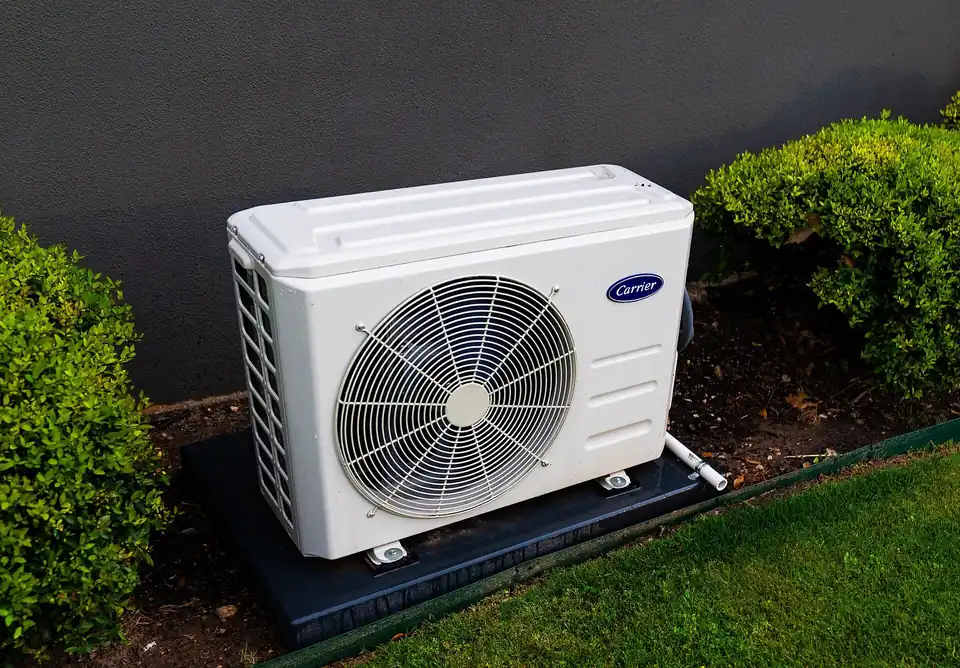
Heat pump maintenance in Salt Lake City — seasonal checks, coil and filter care, and defrost checks that help heat pumps heat and cool relia
Learn more →HVAC inspections in Salt Lake City — full-system checks, diagnostics, and performance testing before buying, selling, or replacing a system.
Learn more →How often should HVAC systems be serviced? Learn recommended maintenance timing for AC, furnaces, and heat pumps — and what skipping service
Learn more →
Check HVAC service coverage across Salt Lake City and nearby Wasatch Front communities. Review the ZIP codes and confirm availability for yo
Learn more →Explore the relevant service page or check whether your ZIP code is included in current service coverage.