
Professional Air Duct Repair in Salt Lake City, UT
Air duct repair in Salt Lake City — leaks, damage, disconnected sections, and poor airflow. Learn the signs, inspection steps, and repair op
Learn more →
Every cubic foot of heated or cooled air in a Salt Lake City home travels through the ductwork, and the ducts collect what the air carries. Dust, debris, and the fine particulates that winter inversion holds near the ground all pass through the system, and some of it settles inside the ducts. Cleaning removes that buildup, but it is not a job every home needs on a schedule, and it is not a cure for every air quality concern. This page explains when duct cleaning helps, how it is done, and how it relates to the rest of the HVAC system.
Duct cleaning helps most when there is a clear reason to clean. Visible dust blowing from the registers, debris from a renovation, evidence of pests in the ductwork, or a musty smell that traces back to the ducts are all good reasons. Homes that have had a furnace or air handler replaced may also carry construction dust in the ducts that is worth removing.
Salt Lake City's winter inversion adds a local reason. During inversion, particulates sit close to the ground for days, and the furnace pulls that air through the system. A home with a good filter catches much of it, but dust still accumulates in the ducts over time. That said, a normal amount of household dust in the ducts is expected and does not harm the system. Cleaning is worth doing when there is a specific cause, not as a routine habit.
Professional duct cleaning starts with an inspection of the ductwork to find where buildup is heaviest and whether any sections are damaged. The registers are covered, and a high-powered vacuum is connected to the system to create negative pressure, so loosened dust is pulled out of the house rather than pushed into the rooms.
Agitation tools, such as rotating brushes or compressed air, loosen dust from the duct walls while the vacuum runs. The supply and return ducts are cleaned section by section, along with the air handler and the accessible parts of the blower. The process usually takes a few hours for a typical home. Once the cleaning is done, the technician checks airflow and replaces the filter, since a fresh filter is what keeps the ducts cleaner for longer.
Cleaning and sealing solve different problems. Cleaning removes dust and debris from inside the ducts; it does not fix leaks. Sealing closes gaps and cracks where conditioned air escapes into the attic or crawl space; it does not remove dust. A home can need one, both, or neither, and the two jobs are often confused because they both involve the ductwork.
The distinction matters for results. If the complaint is dust on the furniture or a musty smell, cleaning is the relevant job. If the complaint is high energy use, rooms that never reach temperature, or a system that runs constantly, sealing is the more likely answer, since conditioned air is escaping before it reaches the rooms. A duct inspection can show which problem is present, and whether cleaning, sealing, or repair is the right response.
There is no fixed schedule that fits every home. Most homes with a good filter and no specific problem do not need duct cleaning more than once every few years, if that. The right interval depends on the home: renovation work, pets, smoking indoors, and a dusty location all shorten it, while a well-filtered system in a clean home stretches it.
A better guide than the calendar is what the ducts show. Dust visible at the registers, debris after construction, or a smell that comes from the vents are signs to act on. A technician can inspect the ducts with a camera and show whether cleaning would make a real difference. Cleaning on a fixed yearly schedule without a reason is spending money on a problem that may not exist.
The size of the system is the main factor: the number of registers, the length of the duct runs, and whether the home has one system or two. A larger home with more ductwork takes longer to clean. The condition of the ducts matters too: heavy buildup from a renovation or years without cleaning takes more time than light household dust.
Access affects the job as well. Ducts in a tight crawl space or a cramped attic are slower to work on than ducts in an open basement. Additional services, such as cleaning the air handler or the blower, add scope. A quote based on the number of registers and an inspection of the ductwork gives the clearest picture of the cost for a particular home.

Service providers may work on major equipment brands including Carrier, Trane, Lennox, Goodman, Rheem, Daikin, Mitsubishi Electric, York, Bryant, American Standard, and Bosch. Brand support is unconfirmed — see the full brand list.
Heating and cooling help is available across Salt Lake City and the surrounding Salt Lake Valley. See the service areas page for the ZIP codes and cities covered.
Visible dust at the registers, debris after a renovation, a musty smell from the vents, or evidence of pests in the ductwork are the clearest signs. A camera inspection can show the condition of the ducts directly. Normal household dust alone is not a reason to clean.
Most homes do not need it more than once every few years, and some never do. Renovation work, pets, and dusty conditions shorten the interval. The condition of the ducts, not the calendar, is the better guide.
A vacuum is connected to the system to create negative pressure, and agitation tools loosen dust from the duct walls while the vacuum pulls it out. Supply and return ducts are cleaned section by section, along with the air handler. The job usually takes a few hours for a typical home.
Cleaning removes dust and debris from the ducts, which can reduce the particles circulating through the system. It does not treat allergies or remove allergens from the home, and it is not a substitute for filtration or for addressing the source of the particles. A whole-home filter is usually the more relevant step for airborne particles.
A typical home takes a few hours, depending on the number of registers and the length of the duct runs. Heavier buildup or hard-to-reach ducts take longer. The technician can give a better estimate after seeing the system.
Air duct repair in Salt Lake City — leaks, damage, disconnected sections, and poor airflow. Learn the signs, inspection steps, and repair op
Learn more →Air duct installation in Salt Lake City — new ductwork design, and installation for homes with no ducts or failing systems. Learn how the pr
Learn more →Duct sealing in Salt Lake City — find and seal duct leaks that waste heated and cooled air. Learn how leaks are found, sealed, and what it s
Learn more →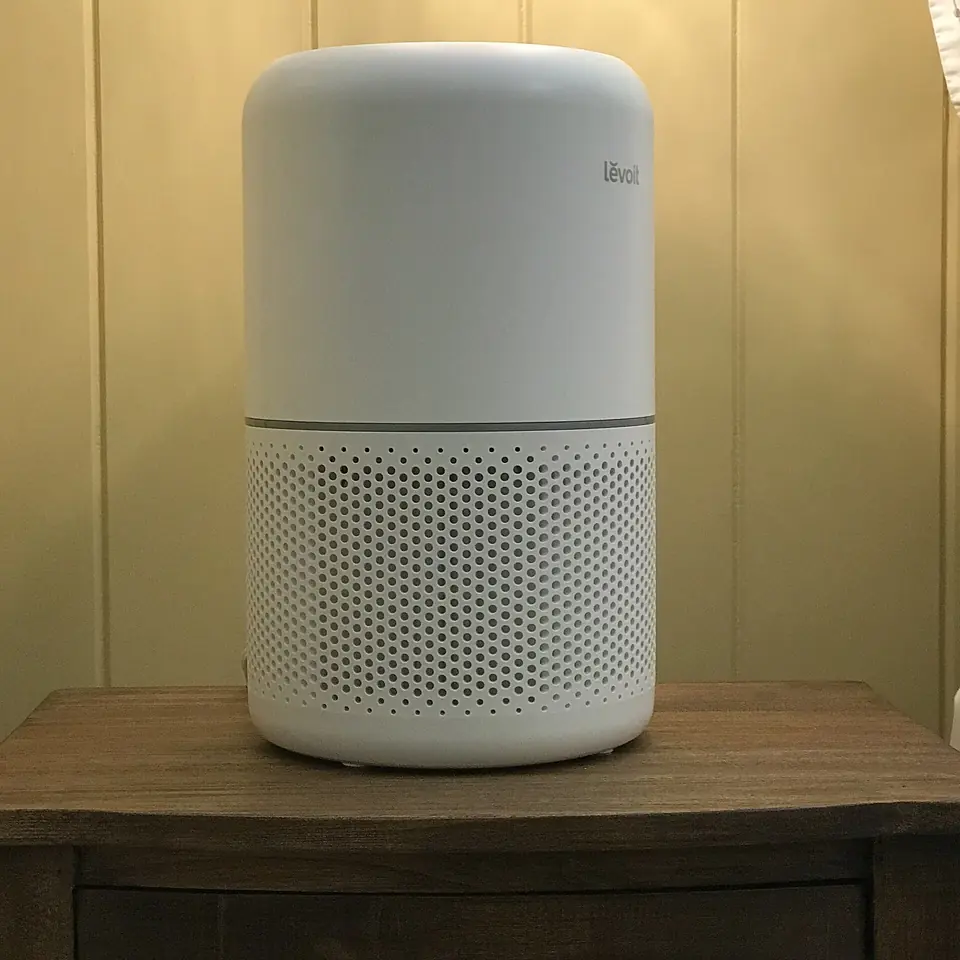
Indoor air quality help in Salt Lake City — filtration, purification, humidity control, and ventilation for cleaner, more comfortable air at
Learn more →How often should you clean your air ducts? Learn the signs, recommended timing, and when cleaning helps — plus cleaning vs sealing, explaine
Learn more →
Check HVAC service coverage across Salt Lake City and nearby Wasatch Front communities. Review the ZIP codes and confirm availability for yo
Learn more →Explore the relevant service page or check whether your ZIP code is included in current service coverage.