Professional Heat Pump Repair in Salt Lake City, UT
Heat pump repair in Salt Lake City — defrost problems, icing, short cycling, and heating or cooling faults. Learn the signs and what a techn
Learn more →
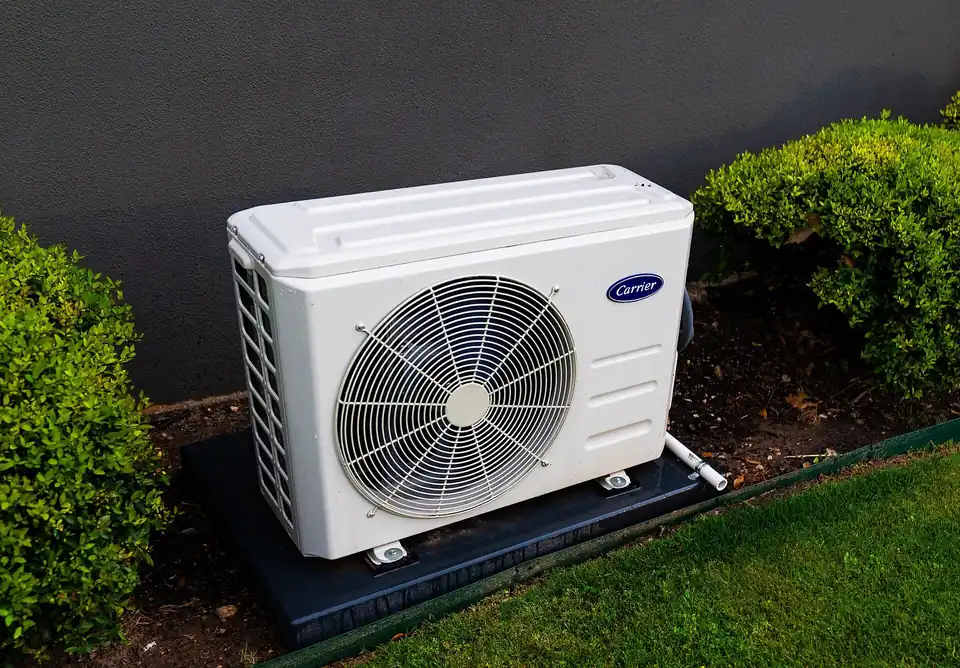
A heat pump works in both directions, heating in winter and cooling in summer, so it never really gets a season off. In Salt Lake City that means a full year of service through cold winters, hot dry summers, and the dust and particulates that winter inversion holds close to the ground. Regular maintenance is built around the parts that are unique to a heat pump: the reversing valve, the defrost cycle, the outdoor coil that ices up, and the auxiliary heat that backs it up on the coldest nights.
A heat pump tune-up works through the parts other systems do not have. The reversing valve is tested in both directions, switching the system between heating and cooling and back, because a valve that sticks leaves the home heating when it should cool. The defrost cycle is checked: the outdoor coil's sensors, the control board's defrost timing, and the condensate route for the meltwater. The auxiliary heat — electric strips or a gas furnace in a dual-fuel setup — is tested so it engages when the heat pump alone cannot carry the load.
The shared parts are covered too: the outdoor coil cleaned of dust and debris, the indoor coil and filter checked, the refrigerant charge measured, the blower and fan tested, and the thermostat calibrated for the system's heating and cooling setpoints. A ductless system adds its indoor heads: each head's filter cleaned, its drain checked, and its airflow verified.
Because a heat pump heats and cools, it benefits from service twice a year: once before the heating season and once before the cooling season. Each visit focuses on the mode that is about to be used most, so the defrost system is checked in the autumn and the cooling performance is checked in the spring.
Homes in dusty areas, homes with pets, or systems that run heavily may need filters changed more often between visits, but the professional tune-up itself follows the same twice-a-year rhythm. Skipping a year does not usually cause an immediate failure, but wear accumulates quietly: coils get dirtier, refrigerant leaks go unnoticed, and electrical connections loosen. Two visits a year is the schedule that keeps a year-round system in steady condition.
The pre-winter visit is the more important of the two. The defrost system is tested before the first sustained cold, the outdoor coil is cleaned so ice has less to cling to, and the auxiliary heat is verified so the home does not discover on the coldest night that its backup does not work. The reversing valve is cycled, and the condensate route for defrost water is checked for a clear path.
The pre-summer visit covers the cooling side: the outdoor coil cleaned after winter, the refrigerant charge measured, the indoor coil and filter checked, and the condensate drain cleared before the cooling season loads it. Between visits, the homeowner's jobs are the filter, keeping the outdoor unit clear of leaves and snow, and keeping the indoor heads' airflow unblocked.
Maintenance is planned work on a system that is still running. It is scheduled in advance, it follows a checklist, and its purpose is to prevent problems and keep the system running efficiently. A tune-up does not fix a broken part: it finds the wear that could break a part later.
Repair is unplanned work on a system that has already failed or is showing a fault: a unit that will not start, a reversing valve that is stuck, or ice that will not clear. Repair starts with diagnosis and ends with a fix. The two are connected, since regular maintenance makes repairs less frequent and less expensive, but they are different kinds of visit, and confusing them is how small problems get left until they become breakdowns.
The main factors are the configuration and the season's work. A ductless system with several indoor heads takes longer than a single ducted system, because each head has its own filter, drain and airflow to check. A dual-fuel setup adds the furnace side — burner, ignitor and heat exchanger — to the same visit, and a unit that iced heavily over winter takes longer to bring back to standard.
Condition is the other factor. An outdoor coil caked with dust, a defrost sensor that has drifted, or a reversing valve that is slow to switch all add time to the visit, and extra work found — a failing capacitor, a clogged drain — adds to the job. No prices are published on this website; ask the service provider for pricing details before authorising any work.

Service providers may work on major equipment brands including Carrier, Trane, Lennox, Goodman, Rheem, Daikin, Mitsubishi Electric, York, Bryant, American Standard, and Bosch. Brand support is unconfirmed — see the full brand list.
Heating and cooling help is available across Salt Lake City and the surrounding Salt Lake Valley. See the service areas page for the ZIP codes and cities covered.
The reversing valve tested in both directions, the defrost cycle and its sensors checked, the auxiliary heat verified, the outdoor and indoor coils cleaned, the filter checked, the refrigerant charge measured, and the thermostat calibrated. A ductless system adds each indoor head's filter, drain and airflow. The visit is built around the parts that are unique to a heat pump, plus the shared cooling and heating parts.
Twice a year is the usual schedule: once before the heating season and once before the cooling season, because the system works in both directions. Filters may need changing more often between visits, especially in dusty conditions or homes with pets.
Yes. It heats in winter and cools in summer, so it never gets a season off, and each season stresses different parts: defrost and auxiliary heat in winter, refrigerant and condensate in summer. A pre-winter visit and a pre-summer visit cover both, and skipping one leaves the parts that season stresses unchecked until they fail.
The parts that fail quietly wear on: the outdoor coil fouls and ices more readily, the defrost system drifts, the reversing valve sticks, and the refrigerant charge falls. The home notices it as weaker heating on cold nights, more auxiliary heat, and cooling that fades in summer. Skipping maintenance does not cause a single dramatic failure; it lets several small faults grow until one of them becomes a breakdown.
Heat pump repair in Salt Lake City — defrost problems, icing, short cycling, and heating or cooling faults. Learn the signs and what a techn
Learn more →
HVAC maintenance in Salt Lake City — whole-system inspections, tune-ups, and seasonal checks that help heating and cooling run reliably and
Learn more →
How often should HVAC systems be serviced? Learn recommended maintenance timing for AC, furnaces, and heat pumps — and what skipping service
Learn more →
Check HVAC service coverage across Salt Lake City and nearby Wasatch Front communities. Review the ZIP codes and confirm availability for yo
Learn more →Explore the relevant service page or check whether your ZIP code is included in current service coverage.