
Professional Furnace Repair in Salt Lake City, UT
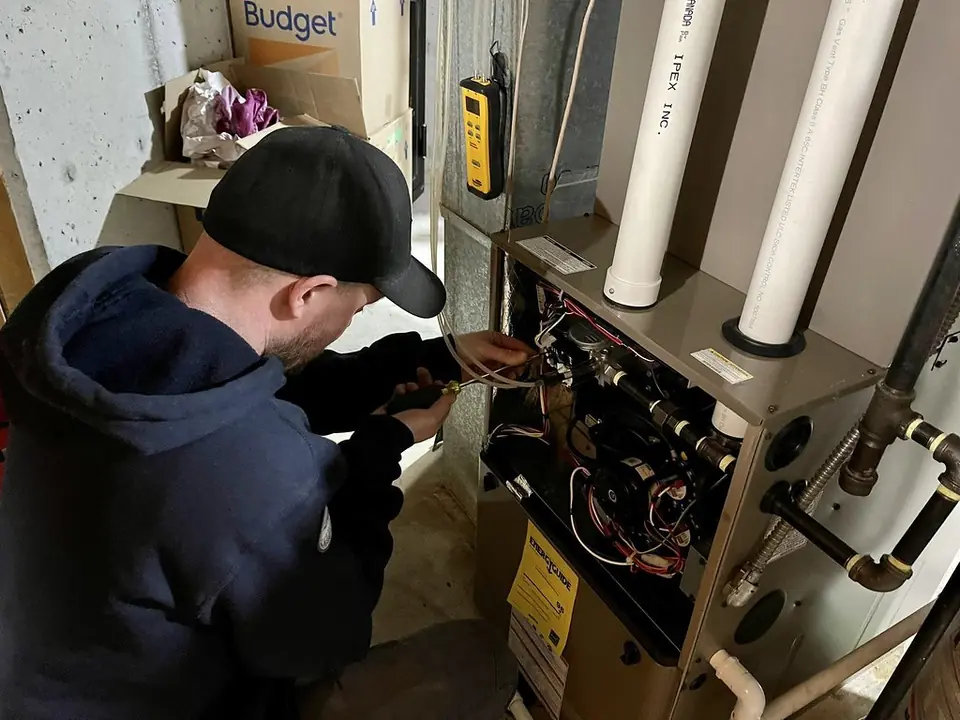
Furnace repair in Salt Lake City — ignition, burners, heat exchangers, airflow, and thermostat faults. Learn the signs and when to call for
Learn more →
Salt Lake City winters are long and cold, and a heating system that fails in January is a serious problem, not a minor inconvenience. When temperatures drop and the wind comes off the Wasatch, a home without heat cools quickly, and thin air at around 4,226 feet means heating equipment already works harder than it would at sea level. This page covers heating faults in general — the home is cold, and the fault could sit in the furnace, the heat pump, the thermostat or the ductwork — rather than the faults of one appliance.
The first question in a heating repair is which system is at fault. A furnace that will not light points to ignition, the flame sensor or the gas valve. A heat pump that blows cold air in winter points to the reversing valve, the defrost cycle or auxiliary heat that has not engaged. A home where some rooms heat and others do not points to the thermostat, the ductwork or a zone control rather than the heater itself.
Shared faults cross all heating systems. A thermostat that has lost its setting or its power makes the whole system look dead. A clogged filter chokes airflow until the furnace overheats and trips its limit switch, shutting itself down. A blower that has failed leaves the heater producing heat that never reaches the rooms. Diagnosis here is triage: identify the system, then the part.
Cold air from the vents when the heat is on is the most obvious sign, and it should not be ignored in winter. Uneven temperatures from room to room, a system that runs constantly without reaching the set temperature, or one that turns on and off every few minutes all suggest something is wrong. Unusual smells deserve attention too: a dusty smell at the start of the season is normal, but a persistent burning or gas-like smell is not.
Energy use that climbs without a change in habits can also point to a heating system that is working harder than it should. Soot around the furnace, a pilot light that keeps going out, or a heat pump that stays covered in ice are further signs worth acting on. In cold weather, these warnings are worth taking seriously, since a small fault can become a complete loss of heat at the worst possible time.
The check starts with the thermostat and the filter, because both can mimic a system fault across every heating type. Then the fuel and power supply: gas on and the valve open for a gas furnace, the breaker and disconnect for an electric furnace or heat pump, and the outdoor unit running for a heat pump. The ignition sequence is watched through a full cycle — call for heat, ignition, burner or element, blower — and the point where the sequence stops names the fault.
Airflow is checked next: the blower, the filter, and the temperature rise across the heat exchanger or coil, which shows whether the system is moving the right amount of heat. Safety controls are tested last, including the limit switch that shuts a furnace down when it overheats. The findings decide whether the repair is a part, a cleaning, or a conversation about replacement.
Age and repair history are the usual starting points for this decision. A newer system with a single failed part is typically a straightforward repair, while an older system that has needed work every winter may be nearing the end of its useful life. The nature of the fault matters too: a failed igniter is a very different matter from a cracked heat exchanger or a compressor that has stopped working.
Heating efficiency also plays a part. Older equipment generally uses more energy to produce the same amount of heat, so a home with an aging furnace or heat pump may see higher energy use even when the system is running. Safety findings can settle the question on their own: some faults, such as a damaged heat exchanger, are not worth repairing. A qualified HVAC technician can weigh these factors with the homeowner and help decide the sensible path.
The main factor is which system is at fault, because a furnace, a heat pump and a thermostat are repaired differently. A flame sensor or ignitor is a small part; a gas valve, a reversing valve or a blower motor is a major component, and the labour to reach it differs. Heat pump work adds its own factor: a refrigerant fault needs leak detection and a recharge, not just a part swap.
The system's condition is the other factor. A heating system that has been neglected may have several worn parts at once, and a repair that reveals a second fault takes longer than one that finds a single cause. No prices are published on this website; ask the service provider for pricing details before authorising any work.
Service providers may work on major equipment brands including Carrier, Trane, Lennox, Goodman, Rheem, Daikin, Mitsubishi Electric, York, Bryant, American Standard, and Bosch. Brand support is unconfirmed — see the full brand list.
Heating and cooling help is available across Salt Lake City and the surrounding Salt Lake Valley. See the service areas page for the ZIP codes and cities covered.
The cause depends on the system. A furnace may have an ignition, flame sensor or gas valve fault. A heat pump may have a reversing valve fault, a defrost problem, or auxiliary heat that has not engaged. A thermostat fault, a clogged filter, or a failed blower can also leave any heating system producing no heat at the vents. A technician works through the thermostat, fuel and power, and the ignition sequence to find which one it is.
A loss of heat in cold weather can become urgent, especially when infants, older adults, or people with medical conditions are in the home, and pipes can be at risk if indoor temperatures fall very low. If the system has stopped entirely on a cold day, contact the service provider promptly to discuss the situation. Safety concerns such as a gas smell should be handled by leaving the house and calling your gas utility's emergency line or 911.
It depends on the fault and the part involved. A flame sensor cleaning, a filter change or a thermostat fix is a short visit; a gas valve, reversing valve or blower motor replacement takes longer, and a part that has to be ordered adds a further wait. The diagnosis comes first, and the scope of the repair is explained once the failed part is identified.
Repair is usually sensible when the system is relatively new, the fault is small, and the rest of the equipment is in sound condition. Replacement may be the better path when repairs become frequent, a major component has failed, or efficiency has clearly declined. A technician can assess the whole system and help weigh the options.
Gas and electric furnaces, heat pumps, and the thermostats and ductwork that serve them. General heating repair covers the diagnostic work of finding which part of the heating system is at fault, including faults that could sit in more than one place. Furnace-specific faults are covered in detail on the furnace repair page, and heat pump faults on the heat pump repair page.
Furnace repair in Salt Lake City — ignition, burners, heat exchangers, airflow, and thermostat faults. Learn the signs and when to call for
Learn more →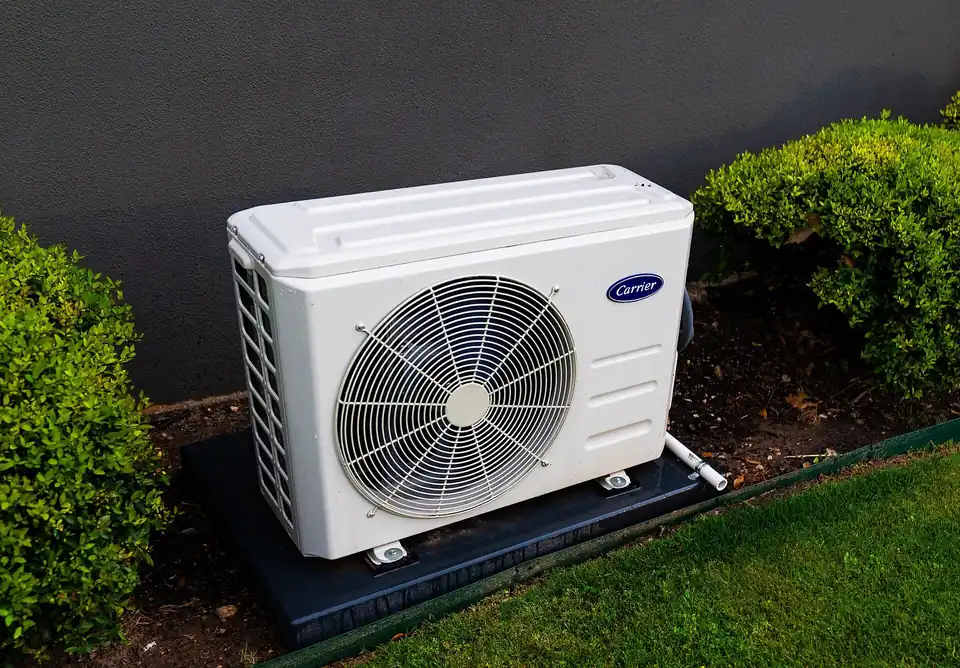
Heat pump repair in Salt Lake City — defrost problems, icing, short cycling, and heating or cooling faults. Learn the signs and what a techn
Learn more →
Need urgent AC help in Salt Lake City? Review common cooling emergencies and steps to take while arranging service, and check local provider
Learn more →Furnace blowing cold air in your Salt Lake City home? Learn common causes — thermostat, ignition, airflow, and filters — and when to call a
Learn more →
Check HVAC service coverage across Salt Lake City and nearby Wasatch Front communities. Review the ZIP codes and confirm availability for yo
Learn more →Explore the relevant service page or check whether your ZIP code is included in current service coverage.