
Professional Furnace Repair in Salt Lake City, UT
Furnace repair in Salt Lake City — ignition, burners, heat exchangers, airflow, and thermostat faults. Learn the signs and when to call for
Learn more →
A furnace usually fails in winter, when it is working hardest. In Salt Lake City, where the heating season lasts for months and thin air at around 4,226 feet means gas furnaces produce less heat from the same amount of fuel, an ageing furnace can struggle through the coldest nights even after a repair. Replacement is different from a first-time installation: the ducts, gas line and flue already exist, and the decision turns on the heat exchanger, the burner and ignition system, and whether the furnace still heats the house evenly.
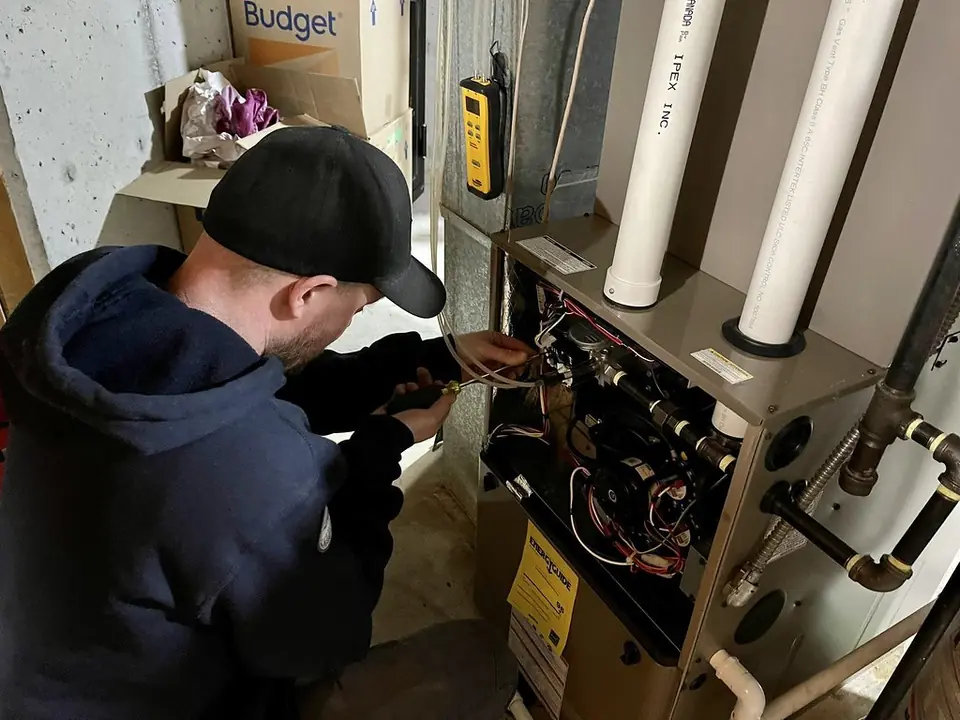
The heat exchanger is the part that decides most furnace replacements. It is the metal chamber that separates combustion gases from the air blown into the home, and a crack in it is a safety matter, not a wear item to patch. Repeated ignition failures, a flame sensor that keeps fouling, a gas valve that sticks, and a blower motor that has already been replaced all point the same way: the furnace's core components are ageing together.
Frequency matters as much as any one breakdown. A furnace that needed an ignitor one winter, a flame sensor the next, and a blower repair after that is telling you its parts are wearing out in sequence. Age, repair frequency and the efficiency rating of a new unit compared with the old one are the factors the replacement pages use.
A replacement furnace is sized from a heating-load calculation, expressed in BTU output — the heat the furnace delivers per hour. The calculation weighs floor area, insulation, window size, ceiling height and the coldest nights the valley sees. The furnace's input rating and its AFUE efficiency rating together determine the output: a higher AFUE means more of the fuel's heat reaches the home and less goes up the flue.
An oversized furnace short-cycles, firing in brief bursts that wear components and leave rooms uneven; an undersized one runs constantly and never reaches the set temperature. Duct capacity is checked at the same time, because ducts that cannot carry the new blower's airflow will make even a correctly sized furnace perform badly. Altitude matters too: thin air at 4,226 feet derates gas furnaces, so the calculation is done for Salt Lake City conditions, not sea level.
A replacement inherits the old furnace's connections, and each one is inspected before it is reused. The gas line is checked for size and condition: a line that fed a smaller furnace may be too small for a larger one, and a corroded or damaged line is replaced rather than reconnected. The flue is checked for blockage, corrosion and correct slope, and the ductwork is checked for leaks and damage that made the old furnace look worse than it was.
Uneven heating is often a duct or thermostat problem rather than a furnace problem, and replacement is the moment to find out. A room that never warmed may have a crushed duct run or a closed damper; a thermostat in a draught or in direct sun reads the wrong temperature and makes any furnace cycle badly. The thermostat wiring is checked terminal by terminal, and a thermostat in a poor spot is moved when the furnace is replaced, so the new unit is not blamed for the old installation's faults.
A furnace swap starts with the old unit: gas and power shut off, the gas line, flue, duct connections, condensate drain and thermostat wiring disconnected, and the unit lifted out. The space it leaves is inspected — the platform it stood on, the return-air opening, the flue connection and the drain — because a platform damaged by a leaking condensate drain or a return opening choked with dust will handicap the new furnace from its first day.
The old furnace is taken away with the job. Its removal also reveals what the installation hid: a flue that was never properly sealed, a gas line run that was too small, duct connections that were never sealed. Each of those is put right before the new furnace goes in, so the replacement fixes the installation faults that shortened the old unit's life as well as the unit itself.
The main factors are the removal and what can be reused. Taking the old furnace out, disconnecting the gas line, flue, duct connections and wiring, and hauling the unit away are work a first-time install does not have. A gas line that needs upsizing for a larger furnace, a flue that needs rerouting or replacing, and a condensate drain for a condensing model each add work, while a flue and gas line in good condition that can be reused keep the job simpler.
The platform and connections matter too. A platform damaged by a leaking condensate drain, a return-air opening choked with dust, or duct connections that were never sealed all need putting right before the new furnace goes in. No prices are published on this website; ask the service provider for pricing details before authorising any work.
Service providers may work on major equipment brands including Carrier, Trane, Lennox, Goodman, Rheem, Daikin, Mitsubishi Electric, York, Bryant, American Standard, and Bosch. Brand support is unconfirmed — see the full brand list.
Heating and cooling help is available across Salt Lake City and the surrounding Salt Lake Valley. See the service areas page for the ZIP codes and cities covered.
When the heat exchanger is cracked, ignition failures keep returning, the blower or gas valve has already been replaced, or repairs have become frequent. A furnace that heats unevenly, cycles constantly or cannot hold temperature on cold nights is also a candidate. Age and the efficiency gap to a new unit matter: a new furnace brings a fresh heat exchanger, burner and ignition system rather than one more fix on worn parts.
Often, yes, if the thermostat is in good condition and has the terminals the new furnace needs — a more advanced furnace needs more control wires than a basic one. A smart thermostat needs a common wire the old wiring may not have. The wiring is checked terminal by terminal before the old thermostat is kept, and a thermostat that cannot control the new furnace's features is replaced rather than reused.
Furnaces carry an AFUE rating — annual fuel utilisation efficiency — which states what share of the fuel's heat reaches the home. A higher AFUE means less heat lost up the flue. Condensing furnaces reach the highest ratings by recovering heat from exhaust gases, but they need a condensate drain and different venting. The right rating depends on how long the heating season runs in your home and what the existing flue and drain can support.
Utility rebate programs change, and availability depends on the equipment and the home. The furnace pages note the programs that have applied in Utah, including utility rebates for high-efficiency heating equipment. Ask the service provider which programs are currently open before choosing a model, and keep the equipment documentation for any application.
Usually, but not always. A high-efficiency condensing furnace is often larger than the standard-efficiency unit it replaces, and it needs a condensate drain and different venting that the old space may not have. The platform, the return-air opening and the clearances around the unit are measured before the new furnace is ordered, and a tight closet or a low crawl space can limit which models fit.
Furnace repair in Salt Lake City — ignition, burners, heat exchangers, airflow, and thermostat faults. Learn the signs and when to call for
Learn more →Furnace installation in Salt Lake City — gas and electric furnaces, sizing, and the installation process. Learn what affects cost before you
Learn more →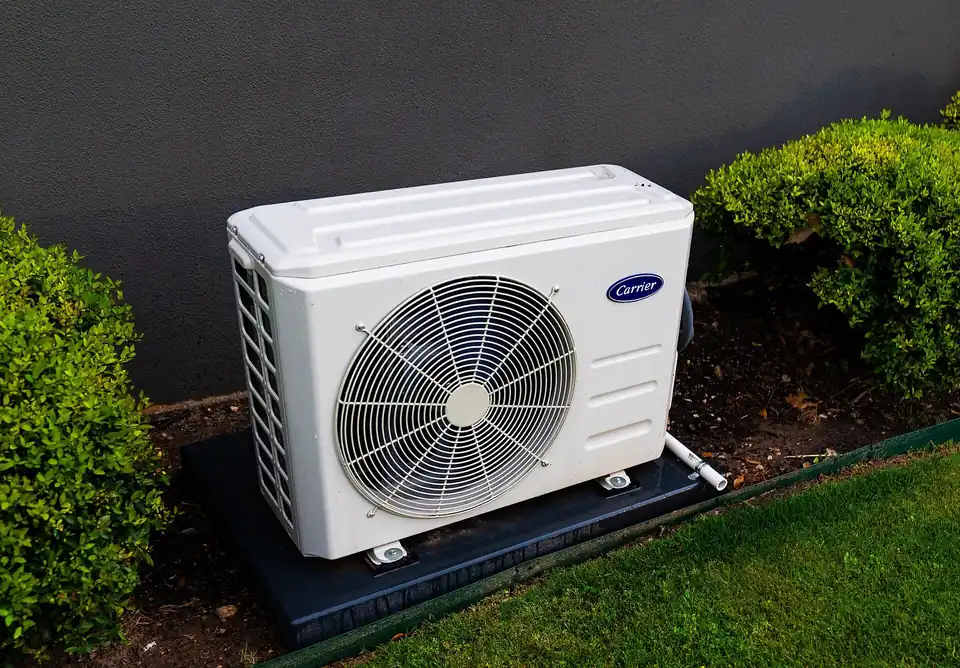
Heat pump installation in Salt Lake City — ducted and ductless systems, sizing and permits. Learn what affects cost and if a heat pump fits
Learn more →
AC repair vs replacement — which is better for your Salt Lake City home? Compare age, repair costs, efficiency, and comfort to decide with c
Learn more →
Check HVAC service coverage across Salt Lake City and nearby Wasatch Front communities. Review the ZIP codes and confirm availability for yo
Learn more →Explore the relevant service page or check whether your ZIP code is included in current service coverage.