
Professional AC Repair in Salt Lake City, UT
AC repair in Salt Lake City for cooling problems, weak airflow, frozen coils, and electrical faults. Learn the signs and what technicians ch
Learn more →
An air conditioner that gets regular attention handles Salt Lake City summers far more reliably than one that is ignored until it breaks. Hot, dry days with highs in the 90s, heat waves past 100 degrees, and thin air at around 4,226 feet all ask a lot of cooling equipment, and dust from the valley builds up on coils and filters over a season. A spring tune-up is built around the parts that fail in heat: the condenser coil, the refrigerant charge, the capacitor and contactor, and the condensate drain.
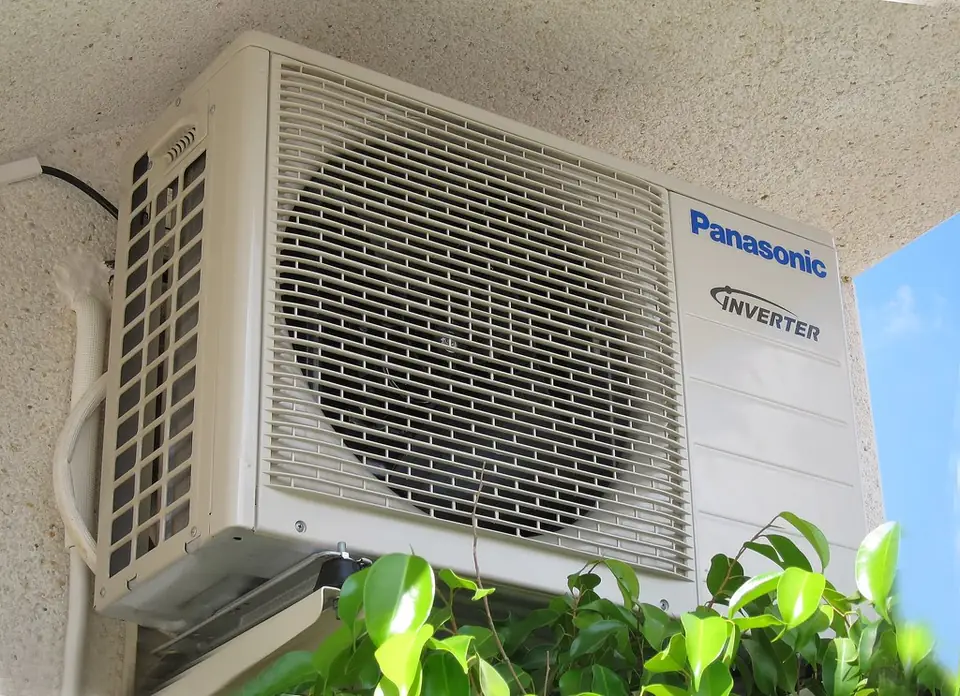
A cooling tune-up works through the outdoor and indoor halves of the system. Outside, the condenser coil is cleaned of dust and debris, the fan motor and blades are checked, and the capacitor and contactor — the electrical parts that start the compressor and fan — are tested. Inside, the evaporator coil and filter are inspected, the blower is checked, and the condensate drain is cleared so water does not back up and shut the system down.
Refrigerant charge is measured, not guessed: pressures and temperatures show whether the system holds the right amount. Too little refrigerant freezes the evaporator coil; too much strains the compressor. Thermostat calibration is checked last, so the set temperature matches the temperature the system actually holds.
Once a year, before the cooling season — in late spring, ahead of the first heat wave. A year of valley dust on the outdoor coil, a filter loaded over winter, and electrical parts weakened by heat all get dealt with in that one visit, so the system enters July and August clean. A second look after a long hot spell suits homes that run cooling hard, or systems that showed wear in the spring visit: a coil that needed a deep clean, or electrical parts that tested weak.
Between visits, the homeowner's jobs are specific to cooling: keep the outdoor unit clear of leaves, grass clippings and stored items, keep the indoor filter clean through the dusty months, and keep vents unblocked. Watch for the early signs the visit would catch — air from the vents that is cool but weak, ice on the refrigerant lines, or water pooling near the indoor unit — and have the system checked before the next stretch of hot weather.
The main visit belongs in spring, before the first heat wave, when a fault found early is a repair rather than a breakdown in July. Between visits, the homeowner's jobs are simple and specific to cooling: change or clean the filter through the dusty months, keep the outdoor condenser clear of leaves, grass clippings and stored items, and hose dust off the coil fins gently from the outside without bending them.
Watch for the early signs a tune-up would catch: air from the vents that is cool but weak, ice on the refrigerant lines, water pooling near the indoor unit, or the outdoor unit humming without the fan turning. Any of those means the system should be checked before the next stretch of hot weather.
A seasonal service keeps a working air conditioner running well; it does not repair one that has already failed. A refrigerant leak, a compressor that will not start, a frozen coil caused by low refrigerant, or a blower motor that has stopped are repair jobs, and a service visit that finds one of them becomes a repair visit. An undersized unit that never cooled the house properly is not fixed by servicing either — it is a sizing problem, and the installation and replacement pages explain how size is set.
Duct problems sit outside a cooling service too. Leaky or damaged ducts waste cooled air before it reaches the rooms, and a service visit can report weak airflow at a register without being able to fix the duct run that causes it. The service keeps the equipment in order; the ducts, the refrigerant circuit and the compressor are separate jobs when they fail.
The main factors are the type of system and its condition. A ductless mini-split with several indoor heads takes longer than a single central system, and a condenser coil caked with valley dust takes longer to clean than one that was serviced last spring. Extra work found during the visit — a failing capacitor, a clogged condensate drain, a filter housing that needs attention — adds to the job.
Access matters too: a condenser boxed in by fencing or planting, or an indoor unit in a tight attic, slows the work. No prices are published on this website; ask the service provider for pricing details before authorising any work.
Service providers may work on major equipment brands including Carrier, Trane, Lennox, Goodman, Rheem, Daikin, Mitsubishi Electric, York, Bryant, American Standard, and Bosch. Brand support is unconfirmed — see the full brand list.
Heating and cooling help is available across Salt Lake City and the surrounding Salt Lake Valley. See the service areas page for the ZIP codes and cities covered.
Cleaning the condenser and evaporator coils, checking and cleaning the filter, testing the capacitor and contactor, measuring the refrigerant charge, clearing the condensate drain, checking the blower and fan, and calibrating the thermostat. The visit is built around the parts that fail in summer heat, and anything worn is reported before it becomes a breakdown.
Once a year is the usual rhythm for most homes, ideally before the cooling season begins. Filter changes are needed more often, especially in homes with pets or heavy dust. A technician can suggest a schedule that fits the system and the household.
Homeowners can change filters, keep the outdoor unit clear of debris, and keep vents unblocked. Coil cleaning, refrigerant measurement, electrical testing and condensate work need a technician: refrigerant handling and live electrical parts are not homeowner jobs, and a bent coil fin or a wrongly charged system can cause the failures maintenance is meant to prevent.
Maintenance cannot prevent every failure, but it catches many of the problems that cause breakdowns, such as dirty coils, clogged drains, and worn electrical parts. A system that is cleaned and checked each year is less likely to fail on the hottest day of the summer. It also gives the homeowner a clear picture of the system's condition.
Spring, before summer heat arrives. A spring visit finds weak capacitors, low refrigerant and clogged drains while there is still time to fix them, and the system then enters the season clean. A second check in late summer suits homes that run cooling hard through July and August, or systems that showed wear in spring.
AC repair in Salt Lake City for cooling problems, weak airflow, frozen coils, and electrical faults. Learn the signs and what technicians ch
Learn more →
HVAC maintenance in Salt Lake City — whole-system inspections, tune-ups, and seasonal checks that help heating and cooling run reliably and
Learn more →How often should HVAC systems be serviced? Learn recommended maintenance timing for AC, furnaces, and heat pumps — and what skipping service
Learn more →
Check HVAC service coverage across Salt Lake City and nearby Wasatch Front communities. Review the ZIP codes and confirm availability for yo
Learn more →Explore the relevant service page or check whether your ZIP code is included in current service coverage.