
Professional Furnace Repair in Salt Lake City, UT
Furnace repair in Salt Lake City — ignition, burners, heat exchangers, airflow, and thermostat faults. Learn the signs and when to call for
Learn more →
A new furnace is a long-term decision for a Salt Lake City home. Winters here are long and cold, and the heating system runs for months at a time, so the choice of equipment and the quality of the installation shape comfort and energy use for years. Gas furnaces are the common choice across the valley, with electric furnaces in homes without a gas supply. This page covers a first-time furnace install — a new furnace where the home had another form of heat, or in a new or extended home — rather than swapping a failed unit.
A first furnace usually replaces a different kind of heat. Some homes have electric baseboard heaters in every room; some have a wood stove or a portable heater; some have an ageing heat pump that cannot carry the coldest weeks; and some — an addition, a converted garage — have had no proper heat at all. What the home had before decides what the install involves: a home with baseboards needs ductwork and a thermostat circuit from scratch, while a home with a heat pump already has ducts and power to build on.
Fuel availability decides the rest. A gas furnace needs a gas main to the property and a line run to the furnace location; a home without gas is looking at an electric furnace and a panel with room for its circuit. The choice is made from what reaches the house, not from a catalogue: the fuel that is already at the location usually wins, and the work is the pipework, venting and ductwork that fuel needs.
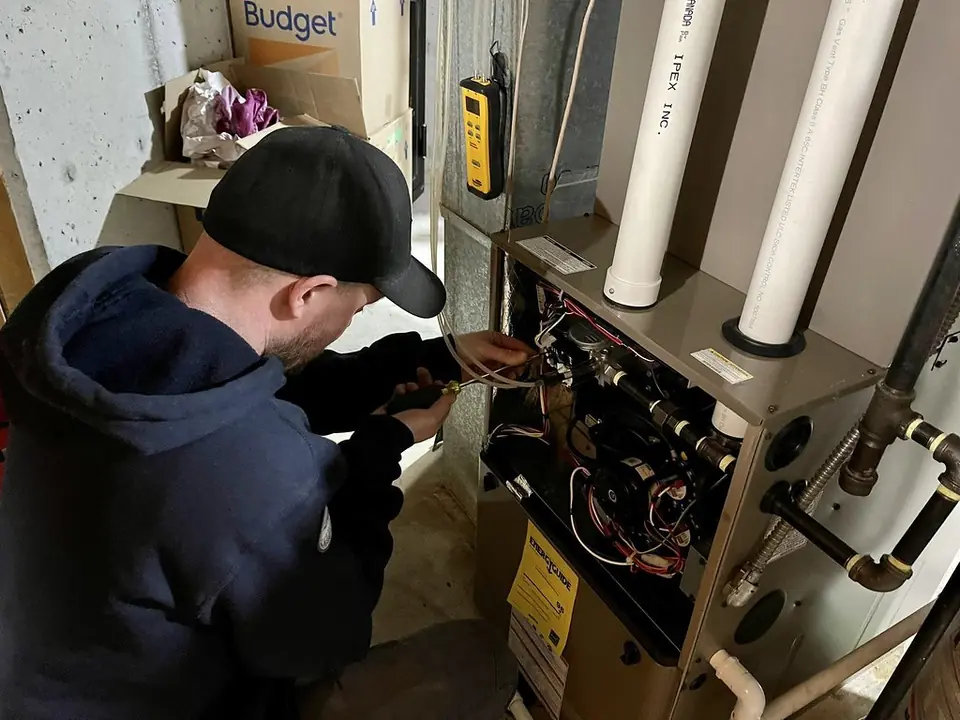
A first-time furnace install starts with the connections the home does not yet have: a gas line run to the furnace location, a flue or vent run to outside, a condensate drain for a condensing model, and a thermostat circuit. The furnace is set in place and levelled, connected to the gas line, the venting, the ductwork and the thermostat wiring, and each connection is checked — gas joints for leaks, venting for correct slope and clearance, and the condensate drain for a clear path.
Startup follows a full heating cycle: ignition sequence, burner flame pattern, blower speeds, and the temperature rise across the heat exchanger, which shows whether the furnace is moving the right amount of heat. The thermostat is tested through the cycle before the job is finished, and the old heating equipment, where there was any, is removed.
Heating size for a first furnace comes from a heat-loss assessment of the home as it stands: how much warmth escapes through the walls, windows, roof and floor on the coldest nights the valley sees, and how much the furnace must replace to hold temperature. Room-by-room figures matter, because a home with a large glass extension or a poorly insulated addition loses heat unevenly, and a single figure for the whole house would leave those rooms cold.
Altitude is part of the assessment here. Thin air at 4,226 feet means gas furnaces produce less heat from the same amount of fuel than they would at sea level, so the figures are derated for Salt Lake City conditions. A furnace that is too large fires in brief bursts that wear its parts and leave rooms uneven; one that is too small runs constantly and never reaches the set temperature on cold nights. The ductwork is designed with the furnace, not after it, so the air the new unit moves can actually reach every room.
Clear access to the furnace location and to the routes the new gas line, flue and ductwork will take — through the basement, utility room or attic — so the work is not slowed by stored items. Note where the gas shutoff and the electrical panel are, and keep the area around the furnace clear of stored items, because a furnace needs clear space around it and combustion air to operate.
Think about the thermostat's position too: a thermostat in a draught, in direct sun, or above a heat source reads the wrong temperature and makes the new furnace cycle badly. If the old thermostat sat in a poor spot, the installation is the moment to move it. Pets and children should be kept away from the work area while gas and electrical connections are being made.
The main factors are the furnace type and what the home already has. A first-time install may need a gas line, a flue or venting run, a condensate drain for a condensing model, ductwork, and a thermostat circuit — work a like-for-like swap does not need. A two-stage or variable-speed furnace adds its own controls and wiring.
Placement matters too. A furnace needs clear space around it, combustion air, and a route for the flue to outside; a unit in a tight closet or a low crawl space takes longer to fit. No prices are published on this website; ask the service provider for pricing details before authorising any work.
Service providers may work on major equipment brands including Carrier, Trane, Lennox, Goodman, Rheem, Daikin, Mitsubishi Electric, York, Bryant, American Standard, and Bosch. Brand support is unconfirmed — see the full brand list.
Heating and cooling help is available across Salt Lake City and the surrounding Salt Lake Valley. See the service areas page for the ZIP codes and cities covered.
Clear access to the furnace location and to the routes for the gas line, flue and ductwork, note where the gas shutoff and electrical panel are, and keep the area around the furnace clear of stored items. Think about the thermostat's position — a thermostat in a draught or direct sun reads the wrong temperature — and keep pets and children away from the work area while gas and electrical connections are being made.
Gas is the common choice in the valley, because gas furnaces heat quickly and suit long heating seasons. Electric furnaces suit homes without a gas supply: they are simpler to install, with no flue or gas line, but they draw a large electrical load and need a suitable circuit. The home's existing fuel supply and electrical capacity usually decide it.
The right size comes from a load calculation based on the home's size, insulation, windows, and sun exposure, with Salt Lake City's elevation taken into account. A furnace sized this way heats evenly without short cycling. The size of the old unit is not a reliable guide on its own.
Yes. Thin air at around 4,226 feet means a gas furnace produces less heat from the same amount of fuel than it would at sea level, so the heating-load calculation is derated for altitude. A furnace sized from sea-level figures would be undersized here. The derating is part of the sizing calculation, not an adjustment made after installation.
Furnace installation generally involves gas, venting and electrical work that falls under local permitting and inspection rules. The requirements depend on the scope — a first-time install with a new gas line and flue is treated differently from a simple swap. Ask the service provider which permits apply to the job before work begins.
Furnace repair in Salt Lake City — ignition, burners, heat exchangers, airflow, and thermostat faults. Learn the signs and when to call for
Learn more →Furnace replacement in Salt Lake City — when replacement beats repair, how a new furnace is sized, and what affects cost. Compare your optio
Learn more →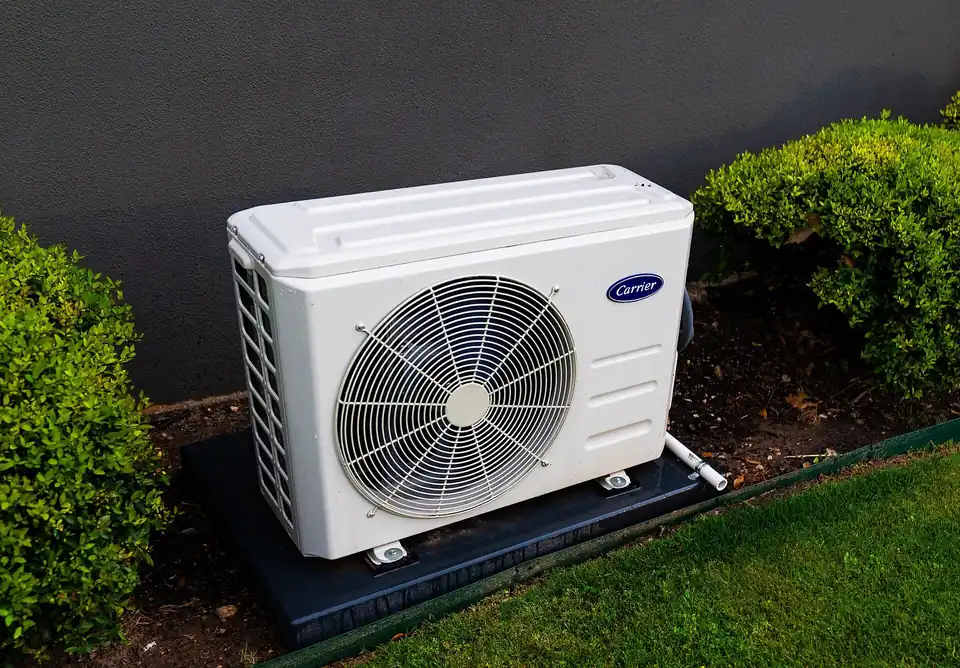
Heat pump installation in Salt Lake City — ducted and ductless systems, sizing and permits. Learn what affects cost and if a heat pump fits
Learn more →
Check HVAC service coverage across Salt Lake City and nearby Wasatch Front communities. Review the ZIP codes and confirm availability for yo
Learn more →Explore the relevant service page or check whether your ZIP code is included in current service coverage.