
Why Is Your Water Heater Not Producing Hot Water?
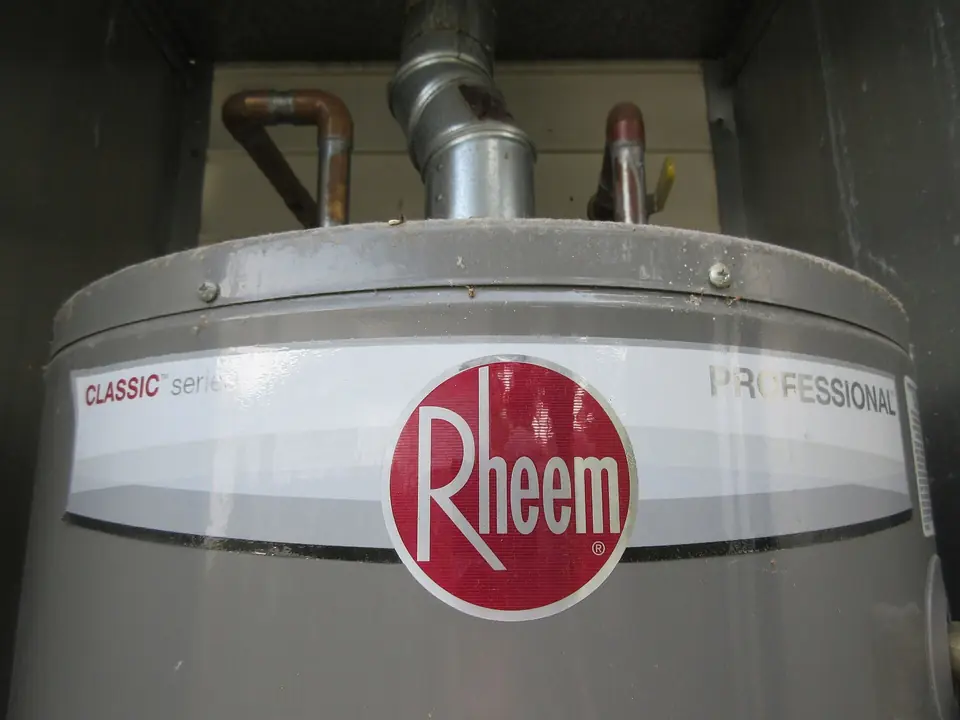
No hot water at all is a troubleshooting problem, and troubleshooting works best in order: check the simple things first, then work toward the parts that need a professional. Start with power and fuel, the breaker, the gas supply, the thermostat dial on the unit, because those checks take minutes and solve a surprising number of calls. Then check whether the problem is that the water never heats, that it heats and runs out too fast, or that it only went lukewarm, because each pattern points to a different part. This guide follows that order for tank electric, tank gas and tankless heaters, so you can find the likely cause before you call.
First Checks You Can Do Safely
Work through the checks in this order, and stop as soon as you find the problem. First, power and fuel: on an electric heater, look for a tripped breaker in the panel and reset it once if it has tripped; on a gas heater, make sure the gas supply is on and other gas appliances in the home are working. Second, the thermostat dial on the unit itself: if it has been knocked, turned down, or set too low, the water will stay lukewarm no matter how long the heater runs. Third, demand: a tank that has just supplied several showers in a row may simply need time to reheat, and recovery can take an hour or more for a large tank.
Then narrow the pattern. Water that is completely cold points to a heater that is not firing at all: a breaker, a pilot, an element, or a thermostat. Water that starts hot and turns cold quickly points to a heater that fires but cannot keep up: a failed lower element, heavy sediment, or a tank that no longer matches the household. Water that is lukewarm rather than cold points to a thermostat setting or a single failed part. Listen as you check: a rumbling or popping sound points to sediment, while silence from a heater that should be running points to an element, thermostat, or burner fault.
Electric Heaters: Elements & Thermostats
An electric tank heater has two heating elements and two thermostats, and which one fails decides the symptom. The upper element and thermostat heat the water at the top of the tank; the lower pair heat the bulk of the water below. When the lower element fails, the heater can only warm the water at the top, so you get a short burst of hot water followed by cold. When the upper element or thermostat fails, you may get no hot water at all. Elements fail with age, when sediment buries them, or when they burn out after running dry, and they are the most common cause of no hot water in an electric heater.
Before assuming an element has failed, check the heater's reset button, the high-limit switch that cuts power when the tank overheats. It is usually a red button behind a panel on the side of the unit. Pressing it once may restore heat, but if it trips again the thermostat is likely faulty and the heater needs professional attention. Testing elements and thermostats means working with the electrical supply to the unit, so diagnosis and replacement belong to a professional rather than a homeowner with a multimeter and a guess.
Gas Heaters: Pilot & Burner
A gas water heater needs its pilot light lit before the burner can heat the water. If the pilot has gone out, relighting it according to the instructions on the unit may restore hot water, but a pilot that will not stay lit points to a faulty thermocouple, a dirty pilot assembly, or a problem with the gas supply. The thermocouple is a safety device that shuts the gas off if the pilot goes out, and when it wears out it can shut the gas off even when the pilot is lit properly.
If the pilot is lit and the burner still does not fire, the gas control valve or the thermostat may be at fault. A burner that lights but makes a yellow or lazy flame, rather than a steady blue one, is not burning cleanly and should be checked. If you smell gas near the water heater, do not try to relight it: leave the house and call your gas utility's emergency line or 911. Gas burner work involves both the gas supply and the flue that carries exhaust out of the home, so it should be left to a professional.
Sediment & Hard Water
Sediment is the leading cause of water heater trouble in Salt Lake City, because the valley's water is hard and leaves mineral deposits in every tank. Over time, sediment settles on the bottom of the tank in a thick layer that insulates the water from the burner or the heating element. The heater has to run longer and hotter to warm the same water, which raises energy use, makes the tank noisy, and shortens its life. A rumbling or popping sound from the tank is the classic sign of sediment boiling beneath the water.
Flushing the tank removes loose sediment and helps the heater recover, but a tank that has never been flushed may have sediment that has hardened into a solid layer. Regular flushing, once or twice a year depending on the water, keeps the build-up manageable and protects the heating elements and the tank itself. A water softener or filter can slow sediment down at the source. If the tank is old and the sediment is heavy, flushing may reveal leaks that the sediment was plugging, which is a sign the tank is near the end of its life.
Tankless: No Hot Water Causes
A tankless heater that gives no hot water is usually a flow or ignition problem, not a tank problem, because there is no tank. Tankless units need a minimum flow of water before they fire, so a clogged inlet filter, a partially closed valve, or low water pressure can leave the unit silent even while the taps run. Check that the water valves to the unit are fully open and that the inlet filter is clean. A unit that fires and then shuts off may have a dirty heat exchanger, a faulty flow sensor, or an ignition fault, and the error code on the display, if there is one, will point toward the cause, so note the code before resetting anything.
Hard water hits tankless units harder than tank models, because the heat exchanger has narrow passages that mineral scale can block. In Salt Lake City, a tankless heater that has never been descaled will lose heating power gradually and may eventually stop producing hot water altogether, so regular descaling is part of owning a tankless unit here, not an optional extra. If the unit shows an error code, has no power, or smells of gas, switch it off and call a professional rather than resetting it again and again.
Frequently Asked Questions
My water is lukewarm, not cold. What does that point to?
Lukewarm water usually means the heater is working but not fully: a thermostat dial set too low, a single failed heating element on an electric heater, or heavy sediment insulating the water from the heat source. It is a different pattern from water that is completely cold, which points to a heater that is not firing at all, such as a tripped breaker, a pilot that is out, or a failed upper element or thermostat.
No hot water after a power outage, what should I check?
Check the breaker first, because an outage can trip it, and then the reset button on an electric heater. A gas heater with an electronic ignition also needs power to light, so it will not heat until power is restored. A tankless unit needs power for its controls and ignition as well. If power is back and the breaker and reset button are fine, the outage may have exposed a part that was already failing.
How do I know if it is the thermostat or the heating element?
The symptom pattern is the best clue. No hot water at all points to the upper element or thermostat, while a short burst of hot water followed by cold points to the lower element. A reset button that keeps tripping points to the thermostat. Confirming either one means testing the electrical parts, which belongs to a professional, but the pattern tells the technician where to start.
How much sediment is normal in a Salt Lake City water heater?
A small amount of sediment is normal in any tank, but heavy build-up is a real problem in the valley because of hard water. Sediment settles on the bottom of the tank, insulates the water from the burner or element, and makes the heater work harder and noisier. Regular flushing removes it, and a softener or filter can slow it down.