Heat Pump vs. Furnace: Which Is Better for Your Home?

Winter is the season that decides between a heat pump and a furnace in Salt Lake City. Both can heat a home, but they heat in opposite ways: a furnace burns gas to make heat, while a heat pump gathers heat from cold outdoor air and moves it inside. That difference shows up on the coldest January nights, in the temperature of the air from the vents, and in how the system behaves when frost coats the outdoor coil. Many valley homes split the difference with dual-fuel, a heat pump paired with a gas furnace that takes over when the air gets too cold. This guide compares the two as heating systems: how they make heat, how they cope with Utah cold, and which homes suit each one.
How Each System Heats
A furnace makes heat by burning gas. The burner fires, the flame heats a metal heat exchanger, and the blower pushes household air across that hot surface and out through the ducts. The heat output is steady no matter how cold it is outside, because combustion does not depend on outdoor air temperature, and the air from the vents feels hot, often well above body temperature. The furnace needs a flue to carry exhaust gases out of the home, and it does nothing for summer cooling, so the house needs a separate air conditioner.
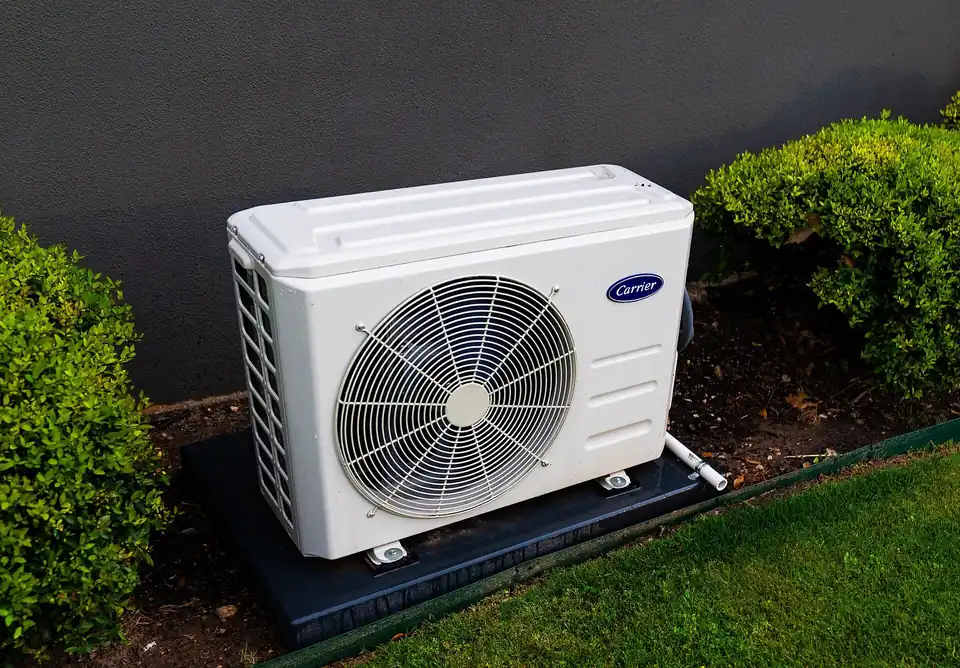
A heat pump makes no heat at all: it moves it. Refrigerant circulating through the outdoor coil absorbs heat from the outside air, the compressor squeezes that refrigerant to raise its temperature, and the indoor coil releases the heat into the air in the house. Even cold winter air holds heat a heat pump can gather, but the colder the air, the less heat there is to gather and the harder the compressor works. The air from the vents feels warm rather than hot, and the system delivers more heating energy than the electrical energy it consumes. That ratio, not combustion, is where its efficiency comes from.
Cold-Climate Performance in Utah
Utah winters test a heat pump in three specific ways: capacity, frost, and backup heat. Capacity falls as the outdoor temperature falls, so a heat pump sized for a mild day may not hold the set temperature on the coldest nights of the year. The point where the heat pump alone can no longer keep up is called the balance point, and below it the system needs help, either from electric auxiliary heat built into the air handler or from a gas furnace in a dual-fuel setup. Electric auxiliary heat works, but it heats by resistance, the same way a space heater does, and it costs far more per unit of heat than the heat pump itself.
Frost is the second test. Moisture in the outdoor air freezes on the cold outdoor coil, and the heat pump must periodically reverse itself to melt that frost, which is the defrost cycle. During defrost the outdoor fan stops, steam may rise from the unit, and the system briefly stops heating the house, sometimes switching on auxiliary heat to keep the indoor air steady. A heat pump that cannot defrost properly ices up and loses heating capacity. A gas furnace faces none of this: it produces the same heat on the coldest night as on a mild one, which is why many valley homeowners still trust a furnace for deep winter, and why insulation and ductwork matter so much to whether a heat pump alone can cope.
Dual-Fuel: The Middle Path
Dual-fuel is a heat pump and a gas furnace sharing one duct system, with a changeover temperature that decides which one heats. Above that temperature the heat pump runs, moving heat cheaply and efficiently through the mild and middling days of winter. Below it the furnace takes over, burning gas to hold the house warm through the coldest nights. The changeover happens on its own through the thermostat and the system controls, and the household notices nothing except steady warmth. The switch is in the equipment, not in a setting anyone has to remember.
The pairing suits the valley's winter shape: many mild days, a smaller number of very cold ones. The heat pump does the bulk of the season's heating, the furnace covers the nights the heat pump cannot, and the same heat pump provides summer cooling while the furnace rests. The changeover temperature is set when the system is installed and can be adjusted later, lower if the heat pump is strong and the home well insulated, higher if the household wants the furnace to take over sooner. It is the one option that never asks a single system to do a job it is bad at.
Costs, Rebates & Running Costs
Heating costs are where the two systems diverge most. A furnace's running cost follows the price of gas and the amount of heat the house loses on cold nights: steady, predictable, and highest in the depths of winter. A heat pump's running cost follows the price of electricity and the outdoor temperature: cheap to run in mild weather, when it moves heat efficiently, and sharply more expensive on the coldest nights, when auxiliary electric heat takes over. A household that watches its winter bills will see the heat pump win the mild months and the furnace win the coldest weeks, which is exactly the pattern dual-fuel is built to exploit.
Upfront, a heat pump is a single system handling two seasons, a furnace needs a separate air conditioner, and dual-fuel combines both, so the upfront figures are only comparable when the full heating-and-cooling picture is counted. Rebates tilt the maths for many valley homeowners: Rocky Mountain Power offers Wattsmart rebates for heat pumps, and Enbridge Gas offers ThermWise rebates for dual-fuel systems. The amounts and the qualifying equipment change over time, so check the current figures with the programs before deciding. A rebate does not make a poor heating fit into a good one, but on a system that already suits the home it can make the stronger choice easier to afford.
Which Fits Your Home?
A gas furnace with a separate air conditioner fits homes that already have gas, strong ductwork, and a household that values deep, steady heat on the coldest nights, and that does not mind the hotter air from the vents that a furnace delivers. It is the proven combination in Utah, and it keeps heating and cooling separate, so a fault in one does not take out the other. For a home with an aging furnace and a working air conditioner, replacing the furnace alone is often the simplest path.
A heat pump alone fits well-insulated homes with sound ductwork, where the heating load is modest and the household is comfortable with warm rather than hot air from the vents. It fits homes without gas, and households that want one system for both seasons. Dual-fuel fits the homes in between, which is much of the valley, where the household wants the efficiency of a heat pump for most of the winter and the deep warmth of a furnace for the coldest nights. The right choice depends on the home's insulation, its ductwork, and how cold the coldest weeks tend to run, so an assessment of the home itself is the proper starting point, not a comparison of equipment alone.
Frequently Asked Questions
What is the balance point of a dual-fuel system?
The balance point is the outdoor temperature below which the heat pump alone can no longer keep the house warm, so the gas furnace takes over. It depends on the heat pump's capacity, the home's insulation and how much heat the house loses. It is set when the system is installed and can be adjusted to suit the home.
What is auxiliary heat, and why does it cost more to run?
Auxiliary heat is electric resistance heating built into the air handler, used when the heat pump cannot meet the demand on its own or while the system is defrosting. It heats the same way a space heater does, by passing electricity through a hot element, so it uses far more electricity per unit of heat than the heat pump's heat-moving process. Short bursts are normal; long stretches of auxiliary heat on every cold night are a sign the balance point or the system sizing needs a look.
How does a heat pump defrost in winter?
When frost builds up on the outdoor coil, the heat pump briefly reverses its cycle to send warm refrigerant outside and melt the frost. The outdoor fan stops, steam or meltwater may appear around the unit, and heating pauses for a few minutes, with auxiliary heat often switching on so the indoor air stays warm. Regular defrosting is normal; a unit caked in ice that never clears has a defrost fault.
Is a heat pump cheaper to run than a furnace?
Running costs depend on the home, the system, and energy prices at the time, so no fixed comparison holds for every house. A heat pump generally costs less to run in mild weather because it moves heat rather than making it, while a furnace is the steady option in deep cold. Dual-fuel systems aim to use the cheaper source at each temperature, which is why they suit the valley's mix of mild and very cold days.