AC vs. Heat Pump: Which Is Better for Your Salt Lake City Home?

Your air conditioner has died in the middle of a Salt Lake City summer, and the replacement question is no longer just which air conditioner to buy. A heat pump cools a house with the same refrigeration process as an air conditioner, so it can step straight into the air conditioner's place, and it also heats the house in winter. That makes the decision a cooling decision first: which box cools your home best through weeks past 100 degrees, how it handles dry valley air and humidity, and what it costs to run all summer. Heating is a bonus that comes with one of the options, not the question to start with. This guide compares the two from the cooling side, so you can choose the system that keeps the house comfortable in July and August.
AC + Furnace vs Heat Pump
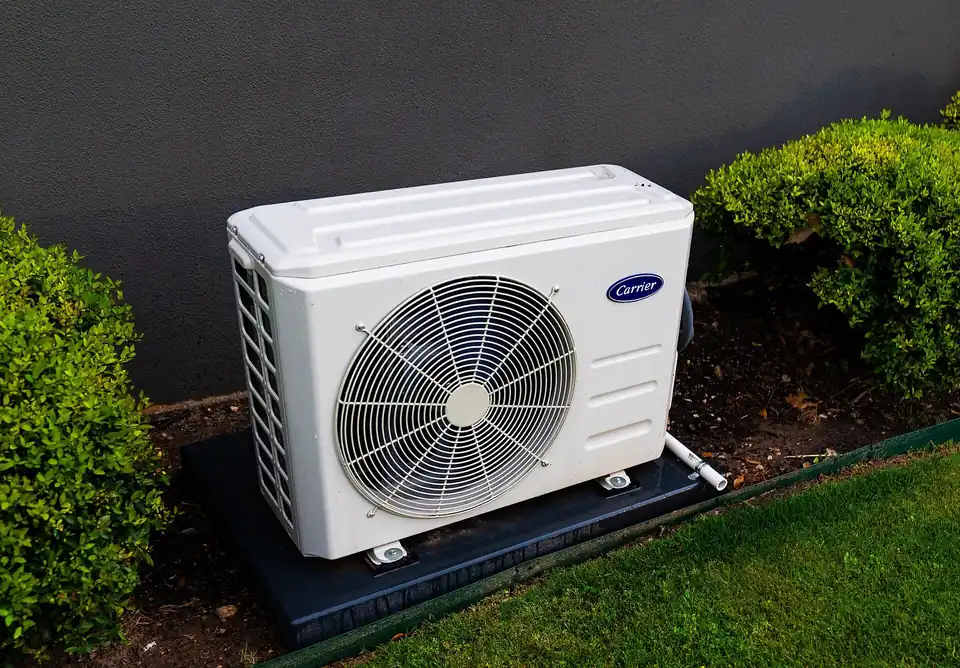
Look at the cooling hardware first, because the two options are closer than they appear. A central air conditioner and a heat pump in cooling mode are the same machine in all the ways that matter for summer: a compressor, refrigerant moving heat, an indoor coil that absorbs heat from the air in the house, and an outdoor coil that releases it outside. Both move heat out of the home rather than creating cold, and both are rated on the same cooling efficiency scale. If you stood in front of two matched units running on a hot afternoon, you would not be able to tell them apart by the air coming from the vents.
The difference is what else the box can do. An air conditioner only cools, so the furnace stays responsible for every cold night and the home keeps two separate systems, each resting for half the year. A heat pump reverses its refrigeration cycle in winter and moves heat into the house instead, so one box covers both seasons and the furnace, if the home keeps one, becomes backup for the coldest nights. That is the whole trade in one sentence: a cooling-only box plus a separate heater, or a single box that cools in summer and heats in winter.
The Heating Bonus and Its Limits
A heat pump chosen for its cooling brings heating along with it, but that heating has limits a buyer should understand. Because a heat pump moves heat from outdoor air rather than burning fuel, its heating output falls as the air outside gets colder, since there is simply less heat to move. On mild winter days it heats easily and cheaply; on the coldest nights it leans on auxiliary electric heat, which warms the house but uses far more electricity, or it hands over to a gas furnace in a dual-fuel setup. None of this affects how the unit cools in summer, which is the decision this guide is about.
The practical point is simple: if your furnace is in good shape and heats the house well, replacing only the air conditioner leaves your heating exactly as it is and changes nothing about winter. Choosing a heat pump instead means your winter heating changes too, for better or worse, and that change deserves its own thought. Do not let a heating feature you did not ask for decide a cooling purchase, and do not dismiss a heat pump because of a winter limitation that a furnace backup or a dual-fuel pairing would cover.
Cooling in a Utah Summer
Cooling performance in a Salt Lake City summer comes down to three things: efficiency, humidity control, and steady running. Efficiency is measured on the cooling scale every central system shares, and a higher rating means less electricity for the same cooling, which shows up directly in July and August bills. Both air conditioners and heat pumps are available across the same range of ratings, and two-stage and variable-speed models can run at lower output on milder days, holding a steadier temperature instead of blasting cold air and shutting off.
Humidity is the quieter half of summer comfort. Cooling removes moisture as air passes over the cold indoor coil, and a system that runs in long, gentle cycles dehumidifies better than one that short-cycles in sharp bursts. Salt Lake City air is dry for most of the summer, so humidity is a smaller problem here than in humid climates, but monsoon moisture in late summer can still make a house feel sticky. A system sized for the cooling load, not oversized, runs long enough to pull that moisture out, and clean coils and sound ductwork matter as much as the rating on the box. Either option cools well when it is sized and installed correctly; neither one fixes leaky ducts or a sun-baked attic on its own.
What Cooling Costs to Run
The running cost that matters in this decision is the summer electricity bill. A cooling system is the largest electricity user in most valley homes from June through September, and the gap between an efficient model and an inefficient one shows up month after month. A higher cooling efficiency rating narrows that gap, and a variable-speed compressor narrows it further by avoiding the energy waste of constant full-power starts and stops. The rating is not the whole story, though: ductwork running through a hot attic can lose a large share of cooled air before it reaches the rooms, and a system that short-cycles because it is oversized wastes energy every time it starts.
Upfront, a heat pump is one box covering two seasons, while an air conditioner alone is one box covering one, but that comparison only makes sense if you count the heating side too. On cooling alone, the purchase price of the two boxes is comparable once matched for capacity and efficiency, and the summer running cost of a heat pump in cooling mode is the same as an air conditioner's at the same rating, because the cooling process is identical. Rebates can change the upfront picture: Rocky Mountain Power offers Wattsmart rebates for heat pumps, so check the current program before deciding. The rebate should tip a choice between two systems that both fit, not rescue a system that does not.
When the Cooling Choice Is Simple
For some homes the cooling decision answers itself. If the furnace is fairly new, heats well, and has years of life left, replacing only the air conditioner is the simplest path: heating stays untouched, the household keeps a system it knows, and the work is limited to the cooling side. This is the right call for many valley homes where the air conditioner failed first and the furnace is not part of the problem.
A heat pump is the stronger cooling choice where the home has no gas supply, where the furnace is also near the end of its life, or where the household wants one system to maintain instead of two. It also suits homes where summer cooling is the dominant concern, with large west-facing glass, a hot upper floor, and a cooling load that dwarfs the heating load, because the cooling performance is identical and the heating comes along as a bonus. In either case, the home itself decides: insulation, ductwork, window exposure and the size of the cooling load matter more than the label on the box, so an assessment of the house is the proper starting point.
Frequently Asked Questions
Will a heat pump cool my home as well as a central air conditioner?
Yes. In cooling mode a heat pump uses the same refrigeration process as an air conditioner, with the same compressor, refrigerant and coils, so a heat pump matched to the home's cooling load cools it exactly as an air conditioner would. Any difference between the two is on the heating side, not the cooling side.
Does a heat pump dehumidify as well as an air conditioner?
Yes, because it removes moisture the same way, as air passes over the cold indoor coil. A variable-speed model that runs in long, gentle cycles dehumidifies better than a single-stage model that short-cycles, whichever type it is. In Salt Lake City's dry summers humidity is a smaller concern than in humid climates, but an oversized system that short-cycles will still leave the house feeling sticky during monsoon moisture.
My furnace works fine but my air conditioner died. Should I still consider a heat pump?
You can. A heat pump can replace the air conditioner and work alongside the existing furnace, which then acts as backup heat on the coldest nights. Or you can replace just the air conditioner and leave the heating side exactly as it is. The heat pump route makes most sense if the furnace is also aging or the household wants to reduce gas use; the air conditioner route is simplest when the furnace has years of life left.
How do I know if a heat pump will heat my home well enough?
That depends on the home. A well-insulated home with sound ductwork is a good candidate for a heat pump, because the system can hold the temperature without strain. A home with poor insulation, leaky ducts, or very high heating needs may suit a furnace or a dual-fuel system better. An assessment of the home itself, not just the equipment, is the proper starting point.